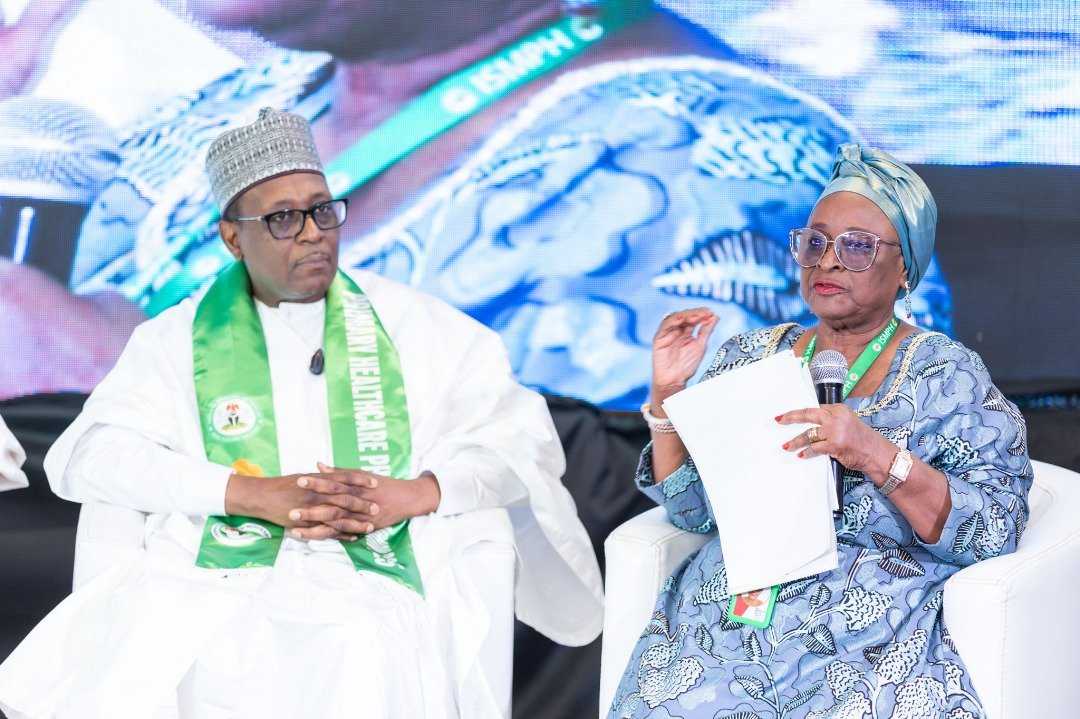


The International Society of Media in Public Health underscores the importance of strong political will and coordinated action in advancing Nigeria’s health system. This position aligns with recent calls by Muhammad Ali Pate for greater commitment across all levels of government and stakeholders.
Speaking on the state of healthcare delivery in Nigeria, Pate emphasized that sustainable progress depends on aligning policies, resources, and leadership toward a shared vision of accessible and quality healthcare for all. He noted that fragmented efforts and inconsistent implementation continue to limit the impact of ongoing reforms.
Central to this call is the need for improved governance, increased funding, and accountability mechanisms that ensure health policies translate into tangible outcomes for communities. Strengthening primary healthcare systems, expanding health insurance coverage, and investing in the health workforce were identified as key priorities.
ISMPH highlights that beyond policy formulation, effective communication plays a critical role in driving public understanding and stakeholder engagement. The media serves as a vital bridge, helping to translate policy into relatable narratives, track progress, and hold institutions accountable.
A unified approach that brings together government agencies, development partners, civil society, and the media ecosystem is essential to achieving long-term health system resilience. Collaborative storytelling and data-driven reporting can further reinforce transparency and build public trust in health interventions.
As Nigeria continues its journey toward improved health outcomes, ISMPH remains committed to supporting strategic communication efforts that amplify reform initiatives, promote accountability, and ensure that health policies deliver meaningful impact for all Nigerians.