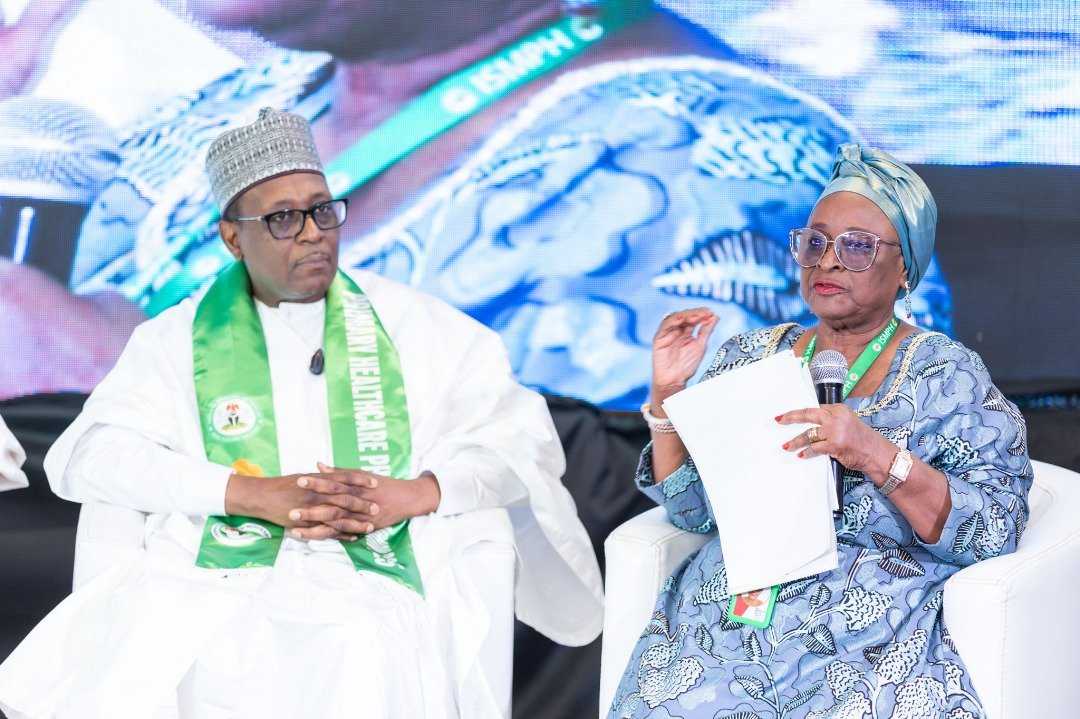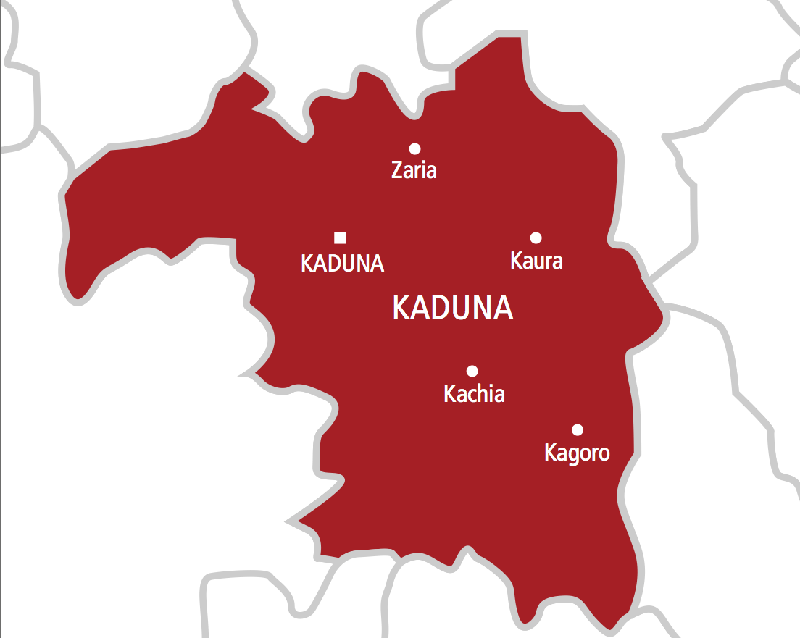

 As part of activities marking the global 16 Days of Activism Against Gender-Based Violence, the International Society of Media in Public Health, in collaboration with the United Nations Population Fund, has intensified advocacy efforts to improve care and support for women living with Vesicovaginal Fistula in Kaduna State.
This engagement underscores the urgent need to address the medical, social, and psychological challenges faced by survivors of VVF, a condition often linked to prolonged obstructed labour and limited access to quality maternal healthcare. Beyond its physical impact, VVF continues to carry significant stigma, leading to isolation and reduced quality of life for affected women.
Through strategic media engagement and stakeholder dialogue, ISMPH and UNFPA are amplifying the voices of survivors while drawing attention to gaps in access to timely treatment and rehabilitation services. The initiative also highlights the importance of community awareness in reducing stigma and encouraging early medical intervention.
Key discussions focused on strengthening health systems to provide accessible and affordable fistula repair services, as well as expanding reintegration programmes that support survivors in rebuilding their lives. Participants emphasized that addressing VVF requires a multi-sectoral approach that combines healthcare delivery, policy support, and sustained public education.
ISMPH continues to champion the role of media as a catalyst for change in public health. By promoting accurate reporting and human-centered storytelling, media professionals can help shift public perception, influence policy priorities, and drive action toward eliminating preventable conditions such as VVF.
As advocacy efforts continue, ISMPH remains committed to fostering partnerships that advance maternal health, protect the dignity of women, and ensure that no survivor is left behind