UNFPA Executive Director Ms Diene Keita says scaling up the midwifery workforce could save more than four million lives every year and transform maternal healthcare globally.
Ms Diene Keita, the Executive Director of the United Nations Population Fund (UNFPA), has called for one million additional midwives to be trained and deployed globally by 2035, saying the investment could prevent more than four million deaths every year.
Keita made the call in a statement to mark the International Day of the Midwife, underscoring the indispensable role midwives play in preventing avoidable maternal and newborn deaths worldwide.
“Educating, deploying and retaining one million more midwives would transform health systems and improve millions of lives.”
Diene Keita, UNFPA Executive Director
She described midwives as essential health workers who offered a practical and proven solution to one of the most pressing challenges in global health.
“Midwives are essential health workers, and they offer a solution to one of the most urgent challenges in global health: preventing women and newborns from dying needlessly from complications of pregnancy and childbirth,” she said.
According to Keita, the presence of a skilled midwife significantly increases the chances of safe delivery and survival for both mother and child. She further noted that in fragile and crisis-affected settings, midwives were often the first and only providers of maternal healthcare services available to communities.
“Midwives are at the heart of safer, more equitable healthcare that upholds women’s rights.”
Diene Keita, UNFPA Executive Director
Keita highlighted that Africa accounts for approximately half of the global shortfall in midwives, a gap she said directly contributes to persistently high maternal mortality rates across the continent.
She also noted that midwives are trained to deliver most essential sexual and reproductive health services, including family planning, skilled birth attendance, and critical care throughout pregnancy, childbirth and the postnatal period.
“They can also provide nutrition counselling, cancer screenings, and meet other diverse healthcare needs,” she said.
Keita highlighted the economic benefits of investing in midwifery, noting that every one dollar invested would yield up to 16 dollars in social and economic returns.
“Midwifery is the backbone of healthy and resilient societies where women and communities can thrive,” she said.
She said UNFPA, through the Midwifery Accelerator coalition, was supporting countries to develop evidence-based investment cases tailored to local needs.
The UNFPA chief called for increased investment in the largely female workforce through fair compensation and improved career development opportunities.
“This International Day of the Midwife, we celebrate midwives as the backbone of health systems and call for urgent investment in their education, leadership and protection,” she said.
She also urged the adoption of innovative technologies and diagnostic tools to strengthen midwives’ skills and decision-making capacity.
“Empowered midwives offer care that saves and improves lives. Let’s champion and support midwives for every woman who wants one, and for a healthier world for all,” she said.
The International Day of the Midwife is observed annually on May 5 to recognize the contributions of midwives to maternal and newborn health globally.

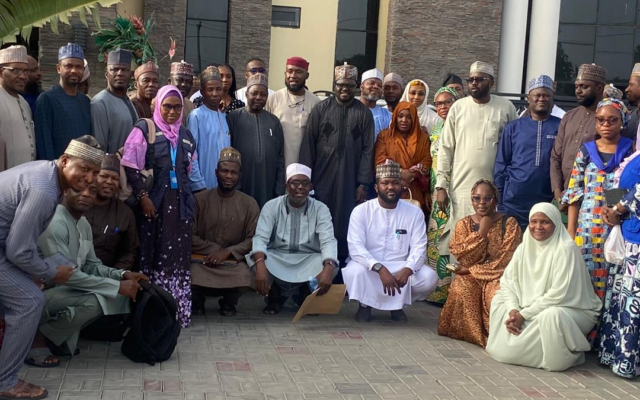
The International Society of Media in Public Health (ISMPH) recognizes the critical role of media engagement in advancing transparent, inclusive, and accountable health systems. In line with this, the Lagos State Government has intensified efforts to collaborate with media professionals to strengthen public awareness and accountability within the state’s health insurance framework.
At a recent engagement with journalists and media stakeholders, government representatives emphasized the importance of accurate, consistent, and impactful reporting on health insurance. The session highlighted how media practitioners serve as key intermediaries between policymakers and the public, helping to simplify complex health financing structures and promote informed participation among residents.
A major focus of the discussion was the Lagos State Health Scheme, which aims to expand access to affordable healthcare services through a structured insurance model. Stakeholders noted that while progress has been made, increased visibility and understanding of the scheme remain essential to achieving universal health coverage in the state.
Participants underscored the need for sustained media advocacy to drive enrollment, address misconceptions, and hold implementing bodies accountable. By amplifying verified information and human-centered stories, the media can contribute significantly to building public trust and encouraging wider adoption of health insurance.
ISMPH aligns with this approach, reinforcing that strategic communication is not just supportive but central to public health outcomes. Strengthening partnerships between health institutions and the media ecosystem ensures that policies are not only implemented but also understood, monitored, and improved through public discourse.
As Lagos continues to advance its health insurance agenda, collaborative efforts such as these set a strong precedent for integrating media as a vital partner in health system strengthening.
As part of activities marking the global 16 Days of Activism Against Gender-Based Violence, the International Society of Media in Public Health, in collaboration with the United Nations Population Fund, has intensified advocacy efforts to improve care and support for women living with Vesicovaginal Fistula in Kaduna State.
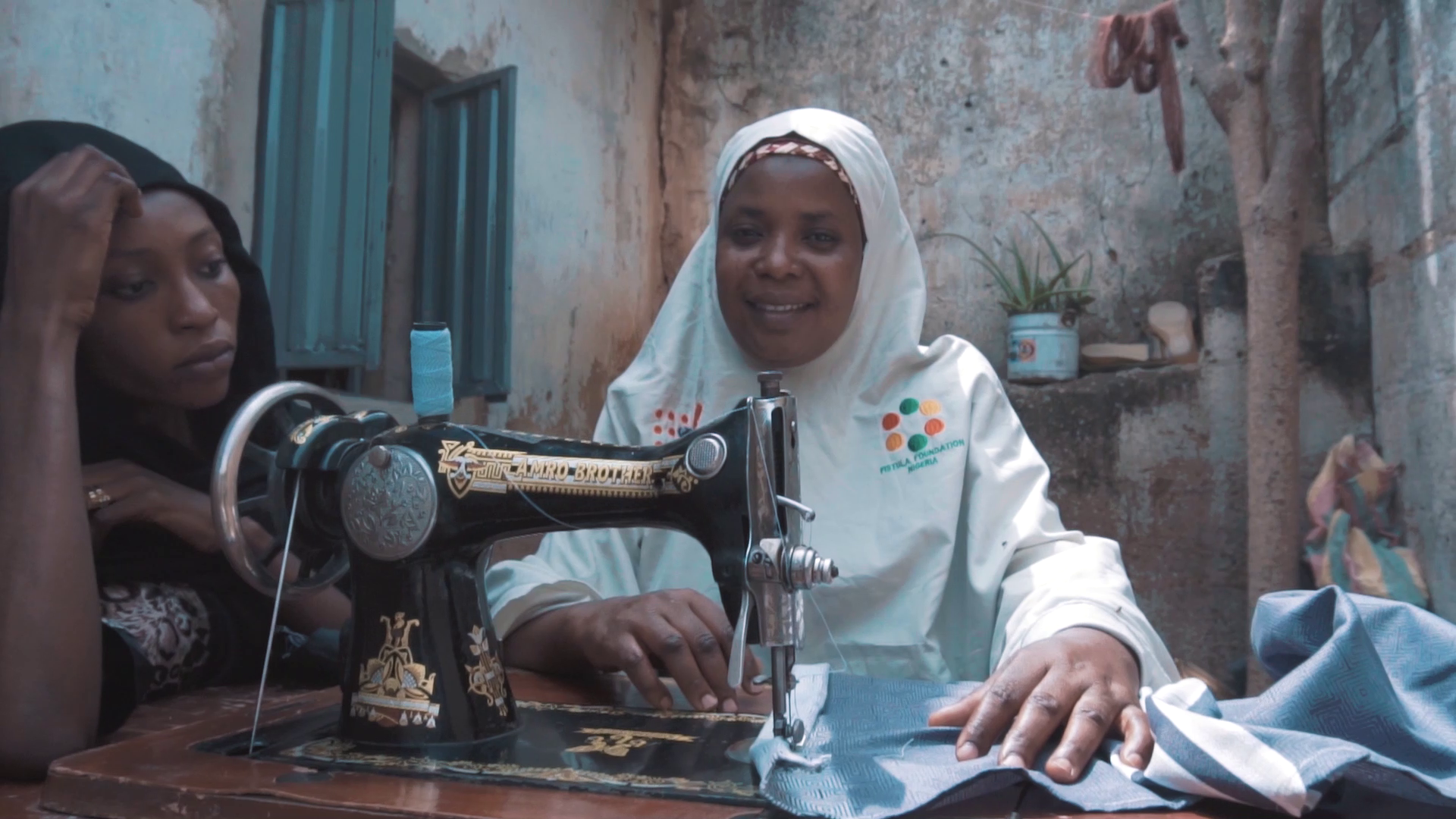
This engagement underscores the urgent need to address the medical, social, and psychological challenges faced by survivors of VVF, a condition often linked to prolonged obstructed labour and limited access to quality maternal healthcare. Beyond its physical impact, VVF continues to carry significant stigma, leading to isolation and reduced quality of life for affected women.
Through strategic media engagement and stakeholder dialogue, ISMPH and UNFPA are amplifying the voices of survivors while drawing attention to gaps in access to timely treatment and rehabilitation services. The initiative also highlights the importance of community awareness in reducing stigma and encouraging early medical intervention.
Key discussions focused on strengthening health systems to provide accessible and affordable fistula repair services, as well as expanding reintegration programmes that support survivors in rebuilding their lives. Participants emphasized that addressing VVF requires a multi-sectoral approach that combines healthcare delivery, policy support, and sustained public education.
ISMPH continues to champion the role of media as a catalyst for change in public health. By promoting accurate reporting and human-centered storytelling, media professionals can help shift public perception, influence policy priorities, and drive action toward eliminating preventable conditions such as VVF.
As advocacy efforts continue, ISMPH remains committed to fostering partnerships that advance maternal health, protect the dignity of women, and ensure that no survivor is left behind

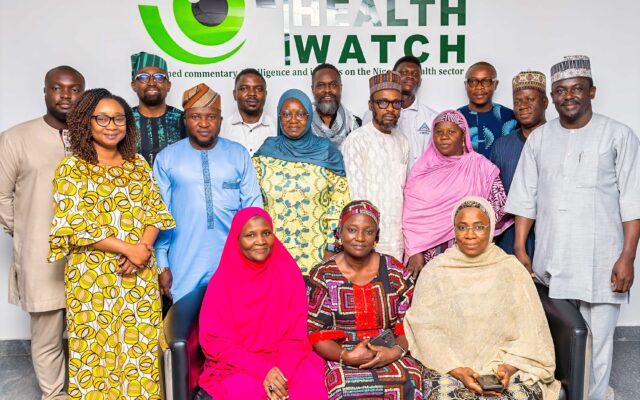
The International Society of Media in Public Health underscores the importance of strong political will and coordinated action in advancing Nigeria’s health system. This position aligns with recent calls by Muhammad Ali Pate for greater commitment across all levels of government and stakeholders.
Speaking on the state of healthcare delivery in Nigeria, Pate emphasized that sustainable progress depends on aligning policies, resources, and leadership toward a shared vision of accessible and quality healthcare for all. He noted that fragmented efforts and inconsistent implementation continue to limit the impact of ongoing reforms.
Central to this call is the need for improved governance, increased funding, and accountability mechanisms that ensure health policies translate into tangible outcomes for communities. Strengthening primary healthcare systems, expanding health insurance coverage, and investing in the health workforce were identified as key priorities.
ISMPH highlights that beyond policy formulation, effective communication plays a critical role in driving public understanding and stakeholder engagement. The media serves as a vital bridge, helping to translate policy into relatable narratives, track progress, and hold institutions accountable.
A unified approach that brings together government agencies, development partners, civil society, and the media ecosystem is essential to achieving long-term health system resilience. Collaborative storytelling and data-driven reporting can further reinforce transparency and build public trust in health interventions.
As Nigeria continues its journey toward improved health outcomes, ISMPH remains committed to supporting strategic communication efforts that amplify reform initiatives, promote accountability, and ensure that health policies deliver meaningful impact for all Nigerians.