The International Society of Media in Public Health (ISMPH), in partnership with Engenderhealth, is strengthening gender-responsive advocacy on Reproductive, Maternal, Newborn, Child, and Adolescent Health (RMNCAH) and Primary Health Care (PHC) in Nigeria. Following the successful launch of the Kaduna Media Coalition in February 2026, coalition members recently gathered for a Post-Alignment Coordination and Review Meeting to evaluate progress, exchange experiences, identify challenges, and map a clearer path for coordinated media advocacy on RMNCAH and PHC.
The meeting brought together journalists, media practitioners, and health advocates from across Kaduna State, reaffirming the coalition’s role as a critical bridge between public health priorities and media coverage. Participants reviewed the milestones achieved since the coalition’s formation, assessed gaps in coverage of RMNCAH and PHC issues, and discussed strategies to strengthen the quality and consistency of health reporting in the state.
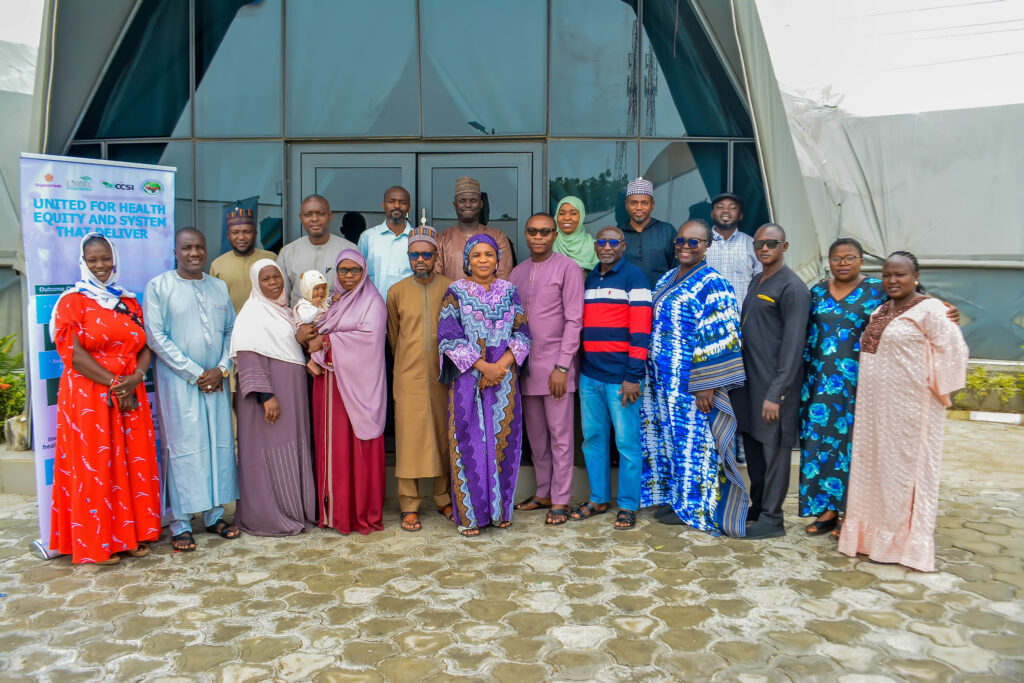
A key focus of the meeting was ensuring that media advocacy remains gender-responsive, with deliberate attention to the health needs and rights of women, newborns, children, and adolescents. Members also explored ways to deepen collaboration with health authorities, community voices, and partner organizations to drive more informed and impactful public health storytelling.
ISMPH and Engenderhealth remain committed to supporting the Kaduna Media Coalition as a sustainable platform for evidence-based health communication. By equipping media practitioners with the knowledge, networks, and tools they need, the coalition aims to improve public awareness, shift social norms, and contribute to measurable improvements in RMNCAH and PHC outcomes across Kaduna State and beyond.
The Post-Alignment Coordination and Review Meeting marks another step forward in building a media environment where public health advocacy is coordinated, inclusive, and driven by the communities it serves.
The International Society of Media in Public Health (ISMPH), in consortium partnership with EngenderHealth, convened a Health Media Coalition Alignment Meeting at Stonehedge Hotel, Kaduna.
The meeting brought together leaders of key health media coalitions and networks across Kaduna State to strengthen coordination, enhance collaborative advocacy, and promote a unified approach to health reporting. Discussions focused on improving collective engagement on priority issues including RMNCAH, Primary Health Care (PHC), and health financing initiatives such as KADCHMA.
A major outcome of the meeting was the agreement in principle to establish a Unified Health Media Coalition in Kaduna State, a coordinated platform designed to amplify evidence-based health reporting, strengthen government engagement, and enhance accountability within the health sector.
The alignment marks an important step toward building a stronger, more strategic media voice for public health in Kaduna State.

The International Society of Media in Public Health (ISMPH) recognizes the critical role of media engagement in advancing transparent, inclusive, and accountable health systems. In line with this, the Lagos State Government has intensified efforts to collaborate with media professionals to strengthen public awareness and accountability within the state’s health insurance framework.
At a recent engagement with journalists and media stakeholders, government representatives emphasized the importance of accurate, consistent, and impactful reporting on health insurance. The session highlighted how media practitioners serve as key intermediaries between policymakers and the public, helping to simplify complex health financing structures and promote informed participation among residents.
A major focus of the discussion was the Lagos State Health Scheme, which aims to expand access to affordable healthcare services through a structured insurance model. Stakeholders noted that while progress has been made, increased visibility and understanding of the scheme remain essential to achieving universal health coverage in the state.
Participants underscored the need for sustained media advocacy to drive enrollment, address misconceptions, and hold implementing bodies accountable. By amplifying verified information and human-centered stories, the media can contribute significantly to building public trust and encouraging wider adoption of health insurance.
ISMPH aligns with this approach, reinforcing that strategic communication is not just supportive but central to public health outcomes. Strengthening partnerships between health institutions and the media ecosystem ensures that policies are not only implemented but also understood, monitored, and improved through public discourse.
As Lagos continues to advance its health insurance agenda, collaborative efforts such as these set a strong precedent for integrating media as a vital partner in health system strengthening.
 As part of activities marking the global 16 Days of Activism Against Gender-Based Violence, the International Society of Media in Public Health, in collaboration with the United Nations Population Fund, has intensified advocacy efforts to improve care and support for women living with Vesicovaginal Fistula in Kaduna State.
This engagement underscores the urgent need to address the medical, social, and psychological challenges faced by survivors of VVF, a condition often linked to prolonged obstructed labour and limited access to quality maternal healthcare. Beyond its physical impact, VVF continues to carry significant stigma, leading to isolation and reduced quality of life for affected women.
Through strategic media engagement and stakeholder dialogue, ISMPH and UNFPA are amplifying the voices of survivors while drawing attention to gaps in access to timely treatment and rehabilitation services. The initiative also highlights the importance of community awareness in reducing stigma and encouraging early medical intervention.
Key discussions focused on strengthening health systems to provide accessible and affordable fistula repair services, as well as expanding reintegration programmes that support survivors in rebuilding their lives. Participants emphasized that addressing VVF requires a multi-sectoral approach that combines healthcare delivery, policy support, and sustained public education.
ISMPH continues to champion the role of media as a catalyst for change in public health. By promoting accurate reporting and human-centered storytelling, media professionals can help shift public perception, influence policy priorities, and drive action toward eliminating preventable conditions such as VVF.
As advocacy efforts continue, ISMPH remains committed to fostering partnerships that advance maternal health, protect the dignity of women, and ensure that no survivor is left behind
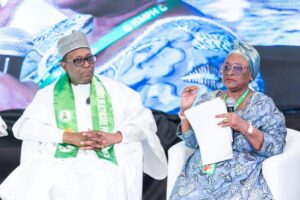
The International Society of Media in Public Health underscores the importance of strong political will and coordinated action in advancing Nigeria’s health system. This position aligns with recent calls by Muhammad Ali Pate for greater commitment across all levels of government and stakeholders.
Speaking on the state of healthcare delivery in Nigeria, Pate emphasized that sustainable progress depends on aligning policies, resources, and leadership toward a shared vision of accessible and quality healthcare for all. He noted that fragmented efforts and inconsistent implementation continue to limit the impact of ongoing reforms.
Central to this call is the need for improved governance, increased funding, and accountability mechanisms that ensure health policies translate into tangible outcomes for communities. Strengthening primary healthcare systems, expanding health insurance coverage, and investing in the health workforce were identified as key priorities.
ISMPH highlights that beyond policy formulation, effective communication plays a critical role in driving public understanding and stakeholder engagement. The media serves as a vital bridge, helping to translate policy into relatable narratives, track progress, and hold institutions accountable.
A unified approach that brings together government agencies, development partners, civil society, and the media ecosystem is essential to achieving long-term health system resilience. Collaborative storytelling and data-driven reporting can further reinforce transparency and build public trust in health interventions.
As Nigeria continues its journey toward improved health outcomes, ISMPH remains committed to supporting strategic communication efforts that amplify reform initiatives, promote accountability, and ensure that health policies deliver meaningful impact for all Nigerians.
Our recent two-day training in Kano (17th–18th August) equipped traditional media influencers with skills to advance gender equality, GBV prevention, family planning, and RMNACH through improved public health communication.
Distinguished participants included Comrade Abubakar Adamu Rano (Kano State Radio Corporation MD), Bashir M. Bash (Blueprint Newspaper Bureau Chief), Isiyaku Ahmed (Stallion Times Publisher), Gambo Ahmed Mustapha (Muhasa Radio/TV), and Khadijah Abdullahi Yahaya (Arewa Radio).
Program Director Solomon Dogo emphasized how this collaboration supports maternal, newborn, and child health while driving healthcare improvements across communities. Key stakeholders Atiku Mohammed Yola (ASIP Coordinator) and Mohammed Inuwa Shuaibu (LISDEL Kano Team Lead) delivered goodwill messages, commending the initiative.
Dr. Nura Haladu facilitated sessions on media’s role in shaping public attitudes and policy around gender, GBV, family planning, and RMNACH.
Building stronger media voices to champion health equity, gender equality, and positive social change.
with support from Engenderhealth , we partnered with KanSLAM to host a one-day advocacy meeting in Kano.
The meeting brought together media professionals, CSOs, government officials, development partners, academia, and Persons with Disabilities (PWDs) to strengthen collaboration around RMNCAH, PHC, and SWAp implementation in Kano State.
The International Society of Media in Public Health (ISMPH), in collaboration with the Lagos State Government and key health stakeholders, has reinforced the role of journalists as agents of change in advancing maternal, newborn, and child healthcare outcomes. Through a targeted capacity-building initiative, media professionals were equipped with the knowledge and tools needed to effectively report on critical health issues and contribute to improved public awareness and accountability.
The engagement highlighted the importance of accurate, evidence-based journalism in addressing health challenges and promoting informed decision-making among communities. Participants were encouraged to leverage the power of storytelling to amplify health messages, increase public understanding of maternal and child health concerns, and support positive health-seeking behaviors.
Discussions during the programme focused on key maternal and child health priorities, including antenatal care, skilled birth attendance, immunization, nutrition, and access to quality healthcare services. Stakeholders emphasized that informed and consistent media coverage can play a vital role in bridging information gaps, dispelling myths, and encouraging greater community participation in health interventions.
The initiative also underscored the need for stronger collaboration between the health sector and the media. By fostering partnerships with journalists, health institutions can ensure that critical public health information reaches wider audiences in a timely, accurate, and impactful manner.
For ISMPH, strengthening the capacity of media practitioners remains central to improving health outcomes across communities. Journalists are uniquely positioned to shape public discourse, spotlight challenges within the healthcare system, and advocate for policies and interventions that support vulnerable populations, particularly women and children.
As efforts to improve maternal and child healthcare continue, ISMPH remains committed to empowering media professionals with the skills and resources necessary to drive meaningful change. Through strategic communication, advocacy, and partnership, the Society continues to promote a healthier and more informed society where every individual has access to life-saving health information and services.
The engagement serves as another step toward building a stronger network of health journalists who can contribute to advancing public health priorities and supporting sustainable healthcare development in Nigeria.
Today, we proudly walked alongside the National Primary Health Care Development Agency to celebrate African Vaccination Week!
Vaccines are safe, effective, and our first line of defense against deadly diseases.
Give your child a future full of opportunities, not hospital visits.
Prevention is better — and cheaper — than treatment!
Vaccines Work. Our Children’s Future is Brighter Than Today’s Challenges.
Protect your loved ones today. Visit the nearest health facility.
For more information, call the NPHCDA toll-free number: 7722.
Today, we proudly walked alongside the National Primary Health Care Development Agency to celebrate African Vaccination Week
Vaccines are safe, effective, and our first line of defense against deadly diseases.
Give your child a future full of opportunities, not hospital visits.
Prevention is better — and cheaper — than treatment!
Vaccines Work. Our Children’s Future is Brighter Than Today’s Challenges.
Protect your loved ones today. Visit the nearest health facility.
For more information, call the NPHCDA toll-free number: 7722.